

80% of Fayetteville Residents Are Within a Half-Mile of a Paved Trail — Here’s How and Why That Matters
Hi, I’m Philip Shepard with All Things Northwest Arkansas. If you’ve heard the news — Fayetteville now has over 80% of its residents within a half-mile of a paved pathway — you might be wondering how that happened, what it means for the city, and whether this is the model for Northwest Arkansas going forward. I dug into the reasons, the strategy, and what you should know if you’re thinking of moving here. Here’s the story in plain English, from someone who literally chose NWA over anywhere else in America.
Quick snapshot: What just happened
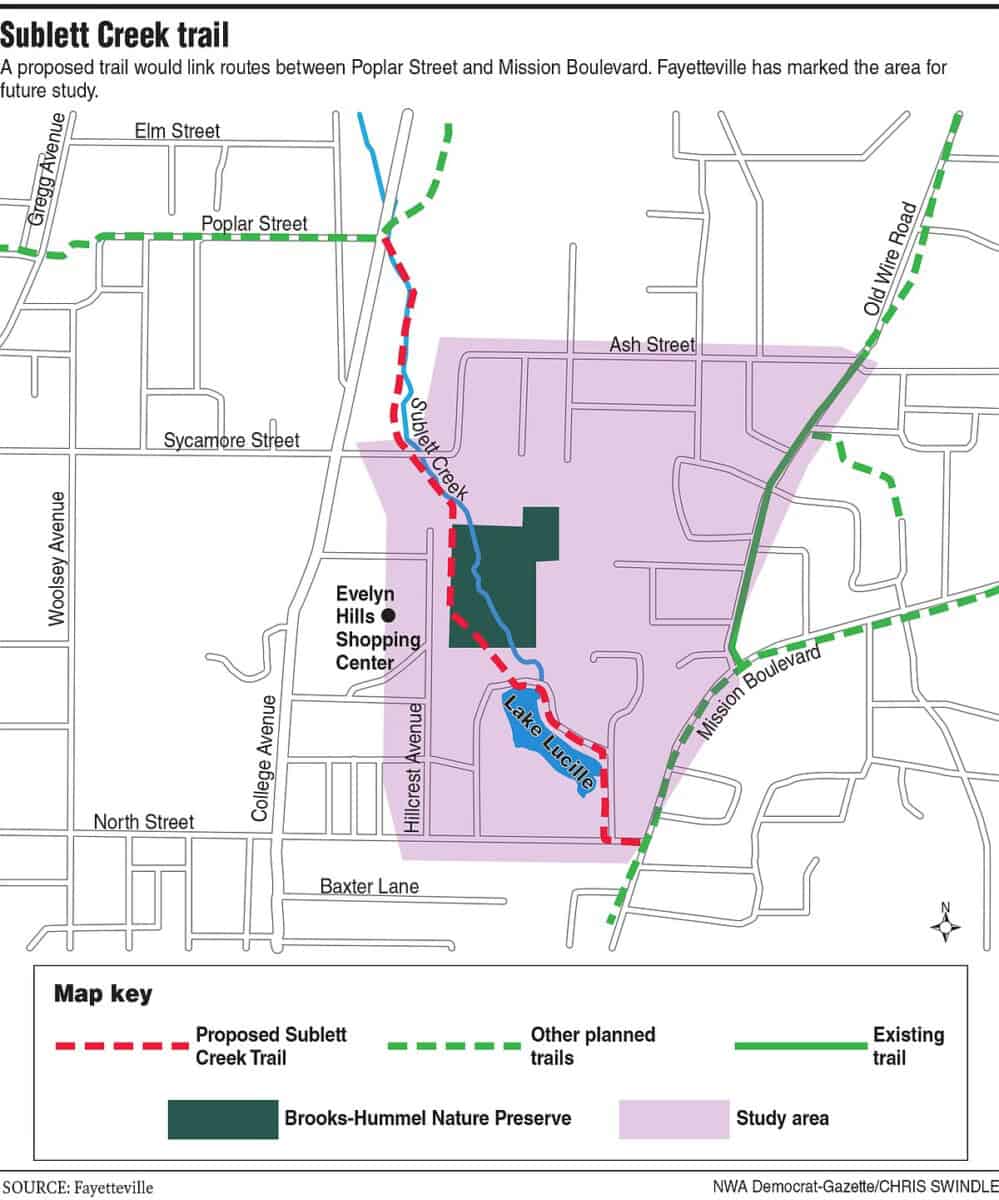
Fayetteville has reached a major milestone: more than 80% of residents are now within a half-mile of a paved trail. That’s not an accident. It’s the result of focused policy, consistent grant-seeking, developer requirements, and repeated voter support over the last decade.
1. Playing the long game: planning, grants, and developer rules
Fayetteville didn’t build this network overnight. For a decade (and likely longer), city leaders, planners, and partners have been applying for grants, connecting projects to the Razorback Greenway and university pathways, and rolling out both soft and hard trail segments across new and existing neighborhoods.
- Grant strategy: A lot of the trail expansion is covered by federal, state, and local grants, which minimizes the tax burden on residents. Fayetteville has people and processes in place to find and secure those grants — and they do it consistently.
- Developer requirements: When new subdivisions or commercial developments go in, they’re often required to build pathways or meet certain width standards. Developers grumble about costs, but as I say, “you only get one chance doing it and you might as well do it right the first time.”
- University and regional connections: Fayetteville ties trails into university infrastructure and larger regional routes (like the Razorback Greenway), making the whole system more useful for commuting and recreation.
2. Locals voted for it — repeatedly
Trail expansion didn’t just happen because planners wanted it. Fayetteville residents keep saying “yes.” Bond initiatives and local funding measures (work started in earnest around 2019–2020) have passed because voters see the value: safer routes for kids, easier commutes by bike or scooter, better access to coffee shops, grocery stores, parks, and nightlife.
“People see the win of it. People bike to work. Families use pathways. It’s much safer.”
That consistent voter support makes it easier for the city to plan long-term projects and leverage grant funds effectively.
3. Are trails the future for Northwest Arkansas?
If you ask whether trails are the future, I’ll tell you this: Northwest Arkansas is doubling down on trails rather than giant train systems or massive bus networks. That doesn’t make NWA better or worse than cities with subways — it just means our region is leaning into what works here.
- Trail systems are cheaper (thanks to grants) and can be implemented incrementally.
- They provide multiple modes of micro-mobility: walking, biking, e-bikes, scooters, and mopeds.
- They support local businesses — Fayetteville consistently ranks near the top for bike-friendly business accessibility.
So yeah — for NWA, trails are very likely the future. If you’re moving here, plan on an e-bike, scooter, or at least a good bike helmet.
What it means for people moving to Fayetteville
If you’re relocating here or shopping for a home, this trail network changes how you live and how you think about transportation:
- Commutes can be multimodal — bike or scooter to work or to the grocery store.
- Neighborhood walkability and trail access are real value-adds when choosing a home.
- Developers increasingly build trails into new projects, so look for communities that advertise pathway access.
Practical tips from a local
- Get an ebike or electric scooter — it’s honestly one of the most useful purchases in Fayetteville.
- When touring neighborhoods, ask about trail connections, developer pathway plans, and nearby greenways.
- Check whether projects were funded in part by grants (that often means lower local tax burden for the infrastructure).
Resources I made for people curious about NWA
I’ve put together a few freebies and tools to help you explore Northwest Arkansas and move here with confidence:
- 3-Day Itineraries — Day-by-day plans tailored for foodies, adventurers, families, sightseers, and more. If you’re visiting to see if NWA is right for you, these make your trip easy and fun.
- Instant Home Updates — Tired of slow notifications from big listing sites? I built instant alerts tailored to your criteria so you don’t miss new homes or rentals.
- NWA Starter Pack — A physical box I ship with a 120-page guide covering population, schools, neighborhoods, and local happenings, plus itineraries, postcards, stickers, and yes, a coloring book. It’s a great primer if you’re serious about moving here.
- Weekly “What’s Going On in NWA” email — Every Friday I send what’s happening in Bentonville, Fayetteville, Springdale, Rogers, and the rest of NWA. Expect some FOMO — but in a good way.
Final thoughts
Fayetteville’s trail milestone didn’t happen by accident. It’s the product of strategic grant use, smart planning, developer requirements, and a community that keeps voting “yes” on mobility investments. If you love outdoor access, walkability, and options beyond the car, Fayetteville (and much of Northwest Arkansas) is building the kind of infrastructure that makes those lifestyles possible.
If you’re curious to learn more, want help relocating, or want those itineraries and starter packs, I’m happy to help — I help people move to NWA every single year and I’m always excited to share why I chose this place over anywhere else in America.
— Philip Shepard, All Things Northwest Arkansas
Contact: 479.332.9631 • phillip@allthingsnwa.com
