

Bentonville, Arkansas — $100 Million New Hospital That Could Change Healthcare in the State
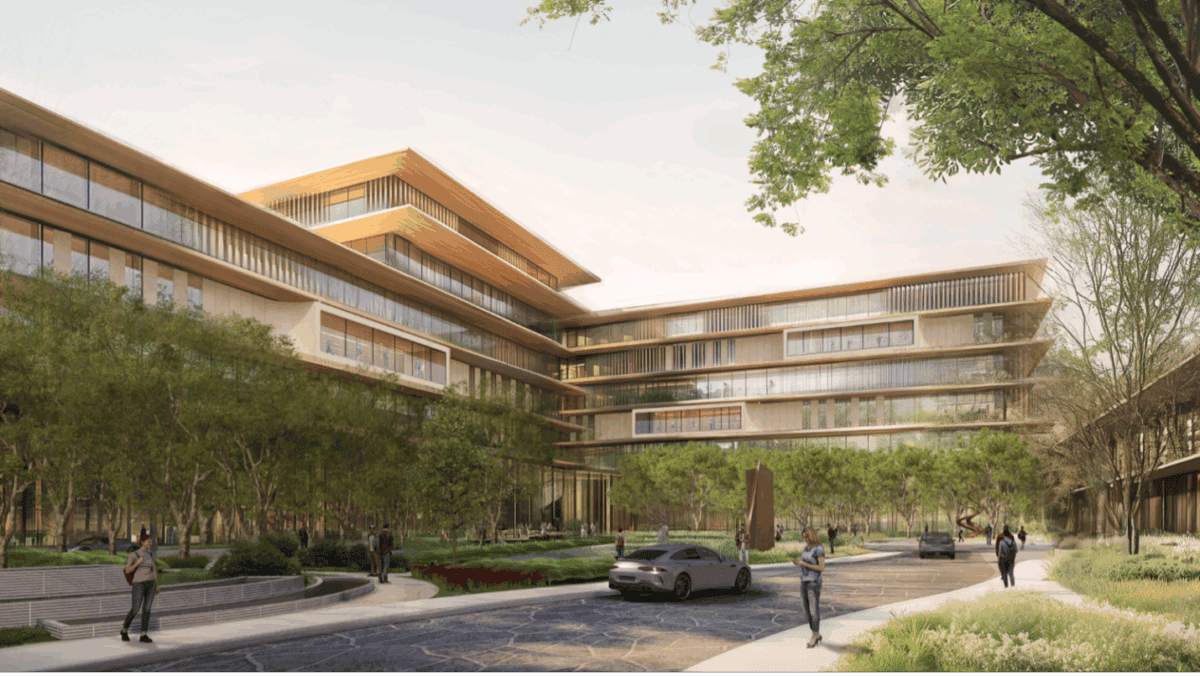
This new hospital—renderings just released—is a sprawling, 100+ acre campus in Bentonville funded largely through private philanthropy. It is designed to do more than add another building to the skyline. The plan is to elevate healthcare quality across Northwest Arkansas and offer a model that could ripple through the entire state.
Why this hospital matters
Arkansas has long struggled with healthcare rankings and access in many parts of the state. Adding a major, well-funded hospital in Bentonville changes the equation in several ways. First, it creates a modern hub where complex care can be centralized. Second, it strengthens existing partnerships with institutions like the Alice Walton School of Medicine, Cleveland Clinic collaborations, Mercy, and other regional providers. Third, it positions Northwest Arkansas as a destination for both patients and medical professionals.
“She is heavily thoughtful about making healthcare affordable.”
That line captures the stated intent behind the project: this is philanthropy with clear healthcare goals. The aim is not just more capacity, but better care and, ultimately, more affordable care for residents across the state.
Attracting top medical talent to Northwest Arkansas
New hospitals are magnets for people and expertise. Expect physicians, nurses, radiologists, researchers, and administrators to come from leading systems around the country—places like Mayo Clinic, Cleveland Clinic, Stanford, and other major health centers. Those professionals bring clinical skills, research experience, and institutional knowledge that raise the whole region’s standards.
Here are some concrete effects to expect:
- Job creation: Hundreds to thousands of direct and indirect jobs across clinical, administrative, and support roles.
- Residency and training growth: More training slots and residency placements strengthen the physician pipeline. Studies show each resident can add significant economic and service value to a region.
- Partnership expansion: Existing ties with medical schools and health systems will deepen, producing collaborative research, specialty clinics, and shared services.
Economic and community impacts
A modern hospital campus does more than treat patients. It becomes part of the economic engine of a city:
- Higher-paid medical professionals relocate and spend locally on housing, schools, and services.
- Ancillary businesses—labs, imaging centers, medical supply vendors, and outpatient clinics—grow around the hub.
- Medical tourism increases when people travel to the region for specialty treatment.
Can this actually reduce healthcare costs?
Lowering healthcare costs is an explicit objective for the people behind this project, but it is also the most complicated and controversial piece. Healthcare pricing is influenced by insurers, drug manufacturers, delivery systems, and state regulations. A well-designed regional center can negotiate better contracts, reduce unnecessary duplication, and spread fixed costs across more patients. Those steps can put real downward pressure on some expenses.
That said, systemic change takes time. Expect this to be a multi-year, likely decade-long effort to show measurable reductions in patient cost. Philanthropy can seed innovation and negotiation strategies, but durable savings typically require policy shifts, payer cooperation, and sustained operational improvements.
What makes this effort different
- Private philanthropic investment that supplements public and institutional funding rather than replacing it.
- Local focus with statewide ambition: build a high-quality system in Northwest Arkansas that can serve as a model for other regions.
- Documentation and knowledge sharing through institutes and partnerships designed to record what works and why.
Real-life benefits for people in Arkansas
For residents living far from large hospitals, the new facility means more timely access to complex care without traveling out of state or to distant cities. For Bentonville and surrounding communities, it means shorter waits for specialty appointments, enhanced emergency care, and better continuity between primary care and specialty services.
From a community perspective, that translates to better outcomes, fewer unnecessary transfers, and a stronger local healthcare ecosystem.
Practical resources for anyone curious about Northwest Arkansas
If you are considering a visit or a move to the region, there are several helpful resources to get acquainted with life in Northwest Arkansas. These include three-day itineraries tailored to different interests, packages that summarize local schools, activities, and community highlights, and neighborhood-level home notifications for anyone house-hunting in the area. These resources make it easy to experience the region and see how the evolving healthcare landscape fits into broader community growth.
Bottom line
The Bentonville hospital is more than a new building. It is a strategic investment aimed at improving care quality, attracting world-class medical talent, creating jobs, and exploring ways to reduce healthcare costs in Arkansas. Expect measurable benefits to Northwest Arkansas in the coming years and the potential for this project to serve as a template for other regions seeking healthcare transformation.
For anyone who cares about healthcare access, local economic growth, or the future of Northwest Arkansas, this project is worth watching as it moves from renderings to reality.
