

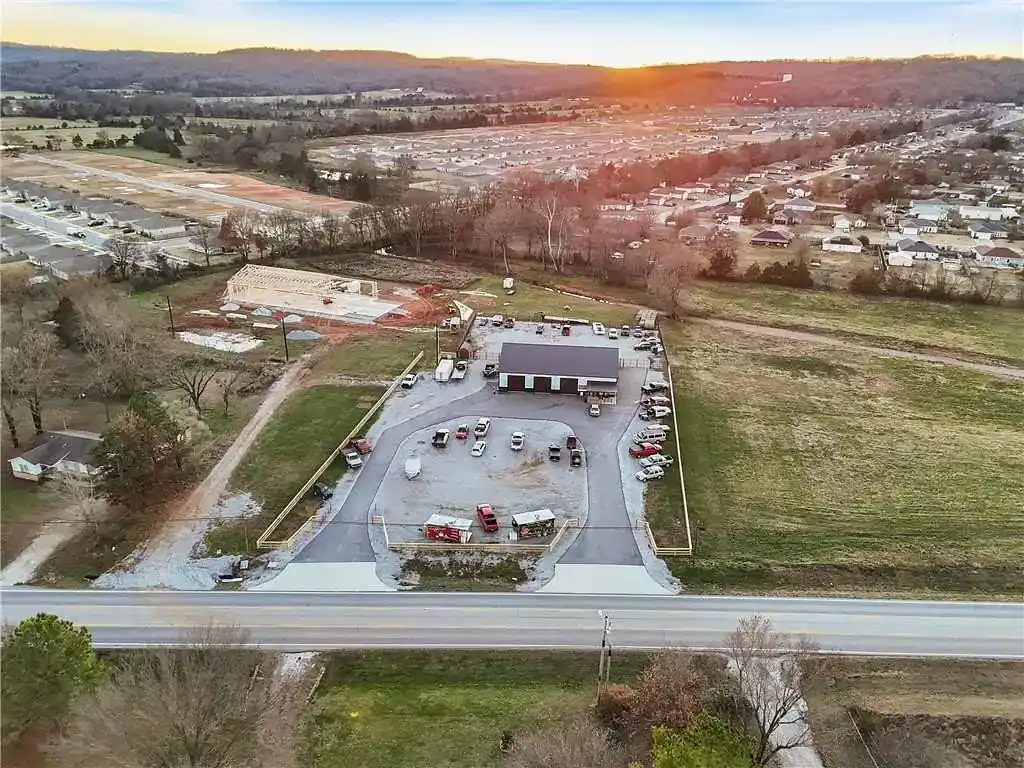
Fayetteville Is Growing East: What That Means for Homebuyers, Builders, and Commuters

Fayetteville’s east side is finally opening up. After years of piecemeal growth and big infrastructure projects, rezoning approvals are clearing the way for hundreds of new homes, multifamily developments, and supporting commercial growth—especially around Elkins and the far east neighborhoods.
Why the eastward growth is happening now
There are three big drivers behind this change. Each one removes a previous barrier to development and together they make the east side of Fayetteville an attractive option for builders and buyers alike.
1. Highway 49 improvements and the new 15th Street connection
The expansion and redesign of Highway 49—plus a major new connection from 15th Street—are the most visible game changers. For years, traffic bottlenecks and limited highway access made the east side less appealing for large developments. The new 15th Street link will route traffic around the tight two-lane sections and connect Elkins and the southeast neighborhoods directly to 49.
- Faster commutes: Once finished, many east-side residents will reach 49 in roughly 10 minutes or less.
- More traffic capacity: Better ramps and intersections mean developers can expect a practical, sellable commute for future buyers.
- Timeline: Construction is underway now, with completion expected around late 2026 to 2027.
2. Elkins is poised to grow
Elkins has quietly been building up multifamily inventory—condos, townhomes, and apartment complexes—making it ready to welcome more residents. It’s not trying to become a big urban center. Instead, Elkins offers a small-town feel with easy access to Fayetteville amenities, backed by new road connections that remove the need to cut through Fayetteville to reach major corridors.
This makes Elkins attractive to people who work at regional employers like Walmart, Tyson, or J.B. Hunt but prefer a quieter, more affordable place to live. Expect steady, modest growth—think neighborhood infill, multifamily pockets, and small-scale commercial nodes rather than huge master-planned cities.
3. Utilities are in place: water, sewer, gas, electric
Developers don’t build subdivisions where utility hookups are expensive or impossible. Over the last several years Fayetteville extended buried utilities eastward—water, sewer, natural gas, and electric—clearing a major obstacle to new development.
With utilities available, developers can move from “that would be expensive to serve” to “let’s buy and build.” That availability has already prompted rezoning approvals and will continue to make land on the east side far more viable.
What this means on the ground
Expect a mix of housing and services tailored to diverse needs and budgets:
- Hundreds of new homes: From detached single-family homes to townhomes and apartments.
- More multifamily and for-rent options: Especially around Elkins and the south end of Fayetteville.
- Local commercial growth: Coffee shops, small retail, and neighborhood services will follow residents.
- Improved connectivity: Easier access to Highway 49 will reduce commute times and increase appeal for workers at nearby employers.
Who benefits most
Several groups stand to gain:
- Commuters: Faster access to 49 makes east-side living practical for people working across NWA.
- First-time buyers and renters: New multifamily units and townhomes increase affordable options.
- Employers: More nearby housing helps recruiting and retention for large regional employers.
- Local entrepreneurs: New neighborhoods create demand for neighborhood retail and services.
Practical tips if you’re watching east-side growth
- Think long-term: Road and utility projects take time—expect phased development over several years.
- Check rezoning notices: Rezoning approvals are the signal that a tract is likely to develop soon.
- Consider commute time estimates: Once 15th Street connects directly to 49 many commute times will drop dramatically—factor that into neighborhood choices.
- Look for early multifamily offerings: Investors and buyers often find most options during the initial leasing or presale phases.
Helpful resources for relocating or buying in Northwest Arkansas
If you’re considering a move or want to explore the area before committing, there are several resources that can help:
- Three-day itineraries: Curated itineraries for foodies, adventurers, families, and sightseers to sample the region.
- Instant home updates: Set your preferences—beds, baths, square footage, location—and get immediate notifications when new listings match.
- NWA starter pack: A comprehensive guide to cities across Northwest Arkansas, plus itineraries, postcards, and local tips to help you get a feel for the region.
- Relocation loan specialist: Stephanie Bevard at First Colony Mortgage is a relocation specialist who helps buyers moving from other states into Northwest Arkansas. Cell: 801-361-7433, email: stephanie@firstcolonymortgage.com
Summary
Fayetteville’s eastward expansion is the product of strategic transportation improvements, Elkins’ readiness to absorb new housing, and long-term investments to bring utilities out to the east side. These changes collectively remove the traditional barriers to development and will lead to meaningful growth—more housing options, shorter commutes, and new neighborhood amenities.
For anyone thinking about moving to or investing in Northwest Arkansas, the east side of Fayetteville is worth watching. The infrastructure is in place, rezoning is happening, and the next several years should bring steady, well-connected development.
