

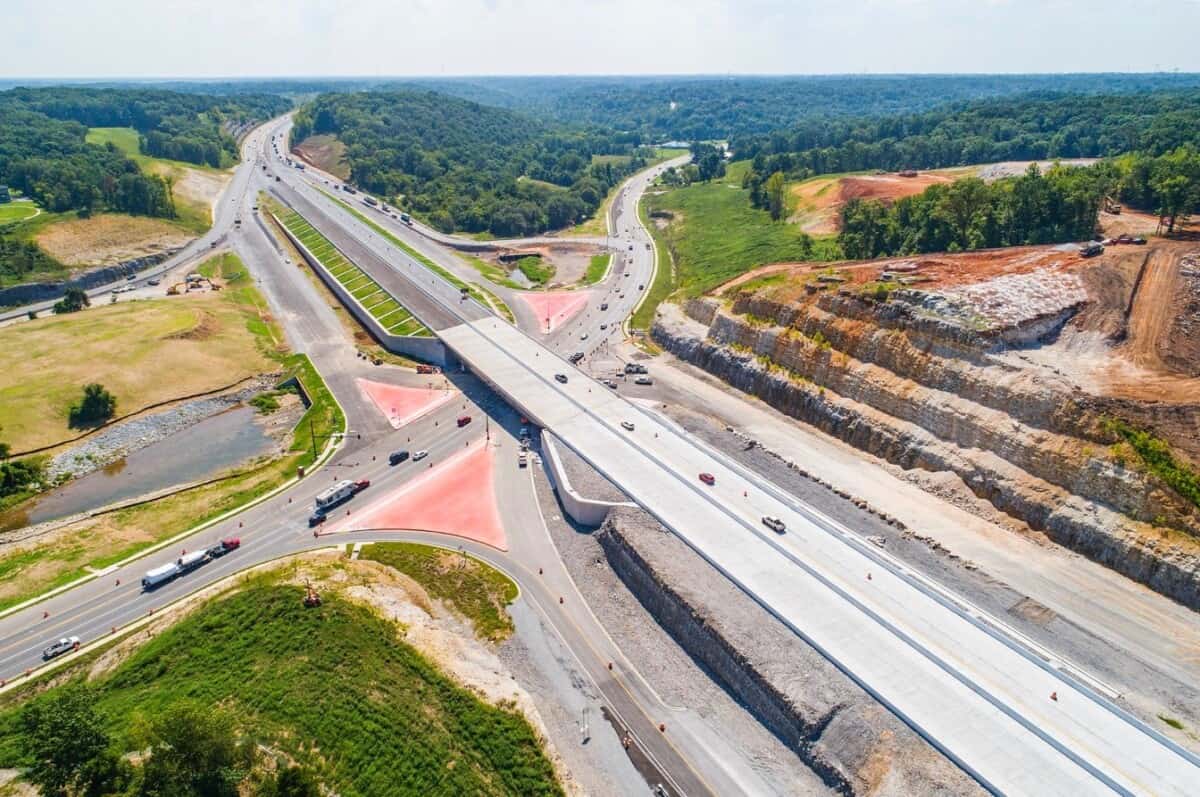
3 (Large) Infrastructure Changes in Bentonville and Fayetteville, AR

Northwest Arkansas is changing fast. Three major infrastructure moves just announced will shape how we live, work, and play across Bentonville, Fayetteville, and the surrounding communities. Here’s a friendly, straight-to-the-point breakdown of what’s happening, why it matters, and how it will affect life in NWA.
1. Public Transportation and Trail Networks: The Region Wants Options
The Northwest Arkansas Council recently shared feedback from a comprehensive transportation survey. The headline: people want more public transportation. At the same time, trail systems and micromobility are growing quickly. Both directions matter, and here’s how they’re likely to play out.
- Trails and micromobility are booming. Bike lanes, ebikes, scooters, and walkable trail connections are expanding rapidly—great for neighborhoods and commuters near major employers.
- Public transit demand is rising. The survey shows clear appetite for more bus service and other transit options for people who commute regularly across the region.
- Rail remains unlikely in the near term. While a train would be fantastic, cost, ongoing operating expenses (staffing, security, maintenance), and local political resistance make immediate rail projects difficult. That said, a long-term possibility could be a rail corridor along or near Highway 49 if growth continues.
- Congestion trends are improving. Respondents reported noticeably less congestion in 2024 than 2023, likely because last year was heavy on construction. Still, as the region spreads outward, transit options will become more necessary.
- Corporate targets influence planning. For example, Walmart has a goal to have 10 percent of its workforce bike to work; current levels are around 7 percent. Those kinds of corporate goals help push investment in trails and alternative transit.
What to expect
- Expansion of bus routes and increased frequency as the council moves to meet demand.
- More trail connectivity, safer micromobility infrastructure, and targeted projects around employment centers.
- Slow, deliberate consideration of higher-cost solutions like rail over a longer planning horizon.
2. Pinnacle Hills Soccer Stadium and Bigger Mixed-Use Development
The announced soccer stadium in Pinnacle Hills just got a major upgrade from what was originally planned. It is now a much larger, multi-use development that will include the stadium plus more parking, multifamily housing, restaurants, and retail.
- Triple the footprint. The new plan is significantly larger than the initial concept, bringing more density and amenities to Pinnacle Hills.
- Mixed-use benefits. Apartments, townhouses, coffee shops, restaurants, and retail will create a more walkable, vibrant neighborhood and make Pinnacle Hills feel like a true destination.
- Leverage existing assets. The project will use some existing Pinnacle parking while adding dedicated stadium parking and infrastructure.
- Nearby growth already in motion. Whole Foods, new medical facilities, and other businesses are coming to the area, so the timing aligns well with broader Pinnacle Hills expansion.
Why this matters
Turning a single-use stadium into a mixed-use hub multiplies the economic and social value for the neighborhood. It creates housing options close to retail and entertainment, increases foot traffic for new businesses, and gives residents more reasons to spend time locally instead of commuting out of the area.
3. NWACC Master Plan: Doubling Down on Community College Capacity
Northwest Arkansas Community College (NWACC) unveiled a major master plan to expand campuses, programs, and facilities. With the University of Arkansas growing steadily—adding a few thousand students a year—NWACC is planning to scale quickly to meet regional education and workforce needs.
- Big physical expansion. Expect more land, new buildings, and additional campuses to accommodate a growing student population.
- New and specialized programs. NWACC already offers unique programs tied to local needs like bike maintenance, trail building, healthcare, and food-related degrees. Expansion will add more program capacity and new career pathways.
- Faster growth thanks to local philanthropy. Support from local donors and corporations can accelerate build-out without relying solely on rising tuition.
- Pipeline into the University of Arkansas. Larger community college capacity helps local students start at NWACC and transfer to UA, easing housing and enrollment pressure at the university.
What this means for NWA
Investing in community college infrastructure supports the region’s workforce needs and keeps education affordable and accessible. As population projections point toward over a million residents in the coming decades, having robust local educational options is essential for long-term economic resilience.
Quick Takeaways
- Public transportation and trail connectivity are clear priorities for residents and planners. Expect more buses and improved micromobility infrastructure in the short term.
- Pinnacle Hills is becoming a major mixed-use hub with a larger stadium, housing, restaurants, and retail—this will boost the local economy and day-to-day vibrancy.
- NWACC is on track to dramatically expand, meeting education demand and helping create an educated, locally trained workforce for the region.
Resources I Made to Help You Explore NWA
If you are thinking about visiting or moving to Northwest Arkansas, I created a few tools to help you hit the ground running:
- 3-Day Itineraries tailored for foodies, adventurers, families, sports fans, sightseers, and artists. Step-by-step day plans, restaurant picks, and activity suggestions.
- Instant Home Updates so you never miss a new listing in NWA. Customize your search and get notifications instantly.
- NWA Starter Pack a 120-page guide full of city demographics, neighborhood breakdowns, printed itineraries, stickers, postcards, and fun extras to help you learn the region.
Sign up on the local resource pages to get these delivered, and you will also receive a weekly email with the best of what is going on across Bentonville, Fayetteville, Rogers, and beyond. Beware: a little FOMO may set in, but you will be the best-informed person in the room.
Final Thoughts
Northwest Arkansas is making intentional investments that will shape growth for years to come. More transportation choices, a major mixed-use project in Pinnacle Hills, and a significant expansion of NWACC together point to a region preparing for a bigger, more connected future. If you want to dig into any of these plans or need help navigating life here, I’ve built tools and guides to make it easy—download them and explore NWA with confidence.
“This area is going to be north of a million people in about 15 to 20 years. What do we need to do to make sure our schools, transit, and neighborhoods keep up?”
